Professor Hess’s 2026 Beijing lecture is available here.
Titled “Major Developments in Dispute Resolution since the Millennium,” it explores the major shifts in dispute resolution over the past two decades, including trends in litigation, arbitration, and mediation, as well as the influence of globalization and digital innovation on procedural frameworks and practice.
Professor Hess’s 2026 Beijing lecture is available here.
This video features a lecture by Prof. Burkhard Hess delivered in Beijing in 2026. The talk, titled “Provisional Measures in Austria, Germany, and in the European Law of Civil Procedure,” examines interim relief mechanisms in Austria and Germany and situates them within the broader framework of European civil procedure law.
Professor Woo’s 2026 Beijing lecture is available here.
Titled “Provisional Remedies and Provisional Measures in the United States”, it surveys the principal forms of interim relief, explaining their legal standards, strategic uses, and practical application in U.S. courts.
Professor Woo’s 2026 Beijing lecture is available here.
Titled “Provisional Remedies and Provisional Measures in the United States,” it surveys the principal forms of interim relief—such as temporary restraining orders, preliminary injunctions, and prejudgment attachment—explaining their legal standards, strategic uses, and practical application in U.S. courts.
Professor Hess’ Friday Lecture in the 2025 General Course will be available soon.
Strategic litigation aimes at societal and legal changes through lawsuits often organized and funded by NGOs, communities, and ombudspersons rather than individuals alone. The lecture spans examples from the Belgian deportees before Mixed Arbitral Tribunals in the 1920s to modern climate cases like KlimaSeniorinnen, Juliana v US, Neubauer v Germany, and the ICJ's Advisory Opinion in 2025. It highlights the professionalisation of NGOs and media-focused communication using individual narratives. Procedurally, it covers collectivization models driven by EU developments and corporate due diligence, with civil liability frameworks, and addresses forum choice strategies. Key hurdles include the limited standing of NGOs, their role of amici curiae, and anti-SLAPP safeguards.
Professor Hess’ Friday Lecture in the 2025 General Course will be available soon.
Judicial communication aims at making justice understandable and accessible by proactively engaging the wider public through courts’ physical spaces and digital presence. The lecture spans a comparative look at court architecture as civic symbols and a survey of court websites worldwide, including their content, functions, multilingual access, user experience design, and use of social media. It highlights the emergence of communication as a core judicial task and the profound changes driven by digitalisation, including transparency practices and public-facing narratives. Procedurally, it covers the institutionalisation of communication within judiciaries, such as spokespersons, guidelines, and media strategies, and situates these developments within comparative procedural law research. Key hurdles include balancing openness with judicial independence and neutrality, safeguarding privacy and data protection, addressing the digital divide and misinformation risks, and managing resource constraints.
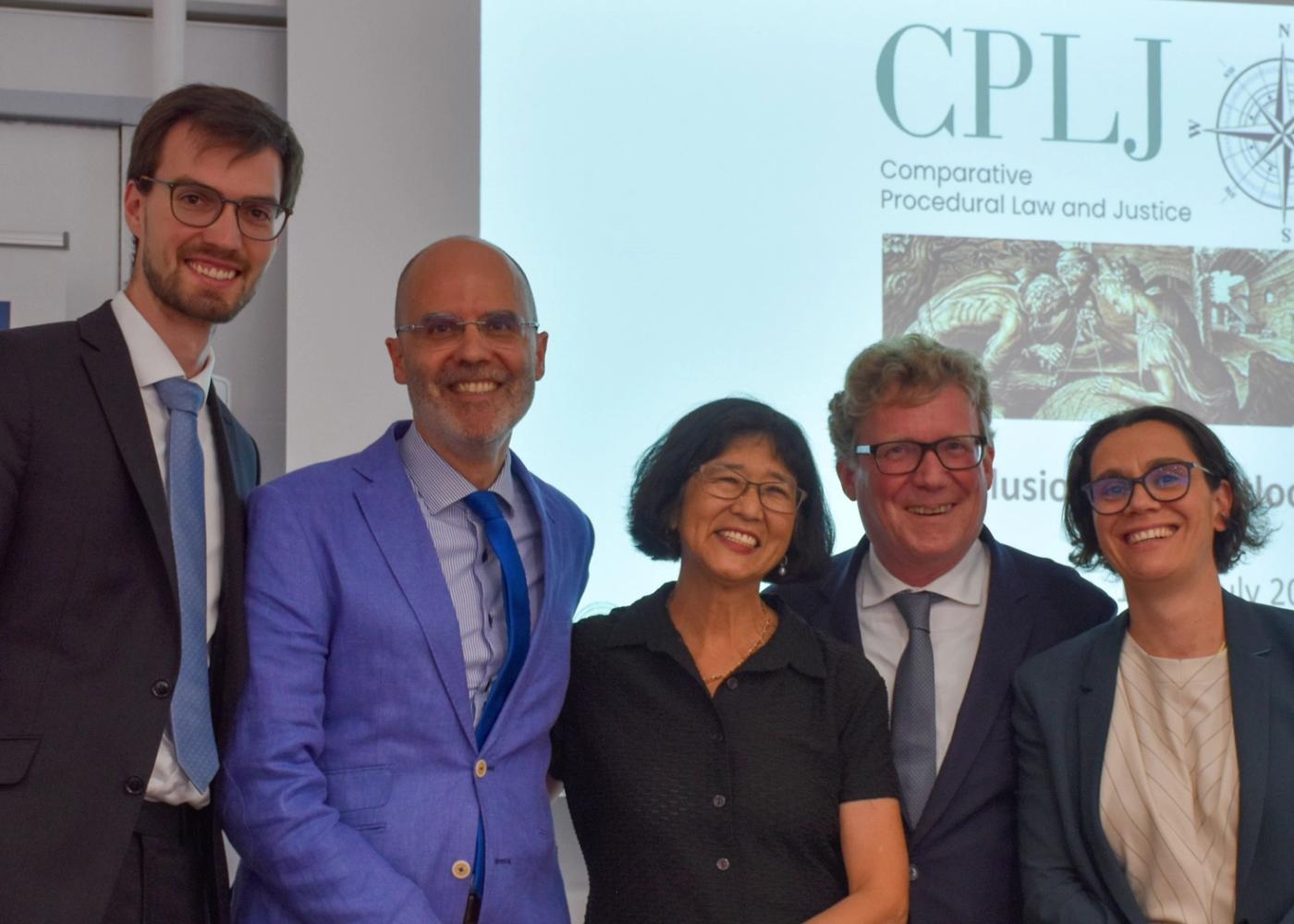
Experts from all over the world got together on 11 and 12 July 2024 in Luxembourg to present their results, accompanied by lively debates to provide additional multi-perspectival input.
The conference started with an introduction by editor Burkhard Hess. He emphasized the objectives of the CPLJ project, namely, to improve the understanding of the different national systems and to explore the current trends in dispute resolution. He also outlined the course of the past four years, with all the challenges and situational peculiarities put on the collaboration. To name only a few, geographical distances and therefore diverging time zones have required a high level of coordination; different approaches to research and writing originally constituted a challenge that eventually enriched the composition of the Parts. Burkhard Hess also stressed the significance of such a long-term collaboration, because Comparative Civil Procedure is still considered a relatively new discipline and therefore a comprehensive Publication combining multiple perspectives is even more important.
An extended version of the speech is available as Part I Chapter I here.
Editor Margaret Woo presented on Comparing Procedural Law in the XXI Century and continued highlighting the significance of the multi-perspectivity as it improves the understanding of the own system. She also addressed points of critique and challenges on comparative civil procedure, such as the lack of comparability or the risk of ‘over-harmonization’ and showed how the CPLJ project dealt with these issues by also considering the cultural and socio-economic contexts of the respective provisions and case law.
Leon Marcel Kahl and Janosch Haber presented the features of the CPLJ website. A dedicated video explaining the use of the CPLJ website will be available soon.
Speaking of contemporary trends, one cannot avoid dealing with aspects of digitalization. Accordingly, Fernando Gascón Inchausti and his team presented their main findings under the topic ‘The Digital Revolution’ (Part IX). They covered how digitalization can (or will) influence access to justice, the enforcement of rights and standards within the context of digital platforms as well as the role of AI for justice systems and legal professions. Cybercourts are already imminent, the private sector is pushing very hard in this direction.
Wendy Kennett and Michele Lupoi showed their findings in matters regarding Enforcement (Part XIII) – in particular, how the differences and specificities between enforcement systems impact cross-border enforceability.
Special subject matters like labour law, consumer protection or environmental issues require different forms of litigation. Wannes Vandenbussche highlighted the features that are generally decisive in shaping the character of procedures depending on the subject matter, the relation between the litigating parties and the degree of involvement either of the litigants or the judge (Part XII).
Away from the plenary sessions, the participants had ample room for academic exchange, culminating in a dinner on Thursday evening with a keynote speech by Advocate General Szpunar on comparative research notes at the Court of Justice of the European Union.
The conference ended with an outlook provided by the editors Burkhard Hess, Margaret Woo, Loïc Cadiet, Séverine Menétrey and Enrique Vallines García. They delineated the next short-term steps (full upload until autumn) and mid-term steps (possibility of an ‘on-demand’ print version). The editors also referred to plans for a Conference on Arbitration in Vienna in 2026 which will lead to another Part to the CPLJ publication.
The recordings of the conference (including the discussion) can be found here.
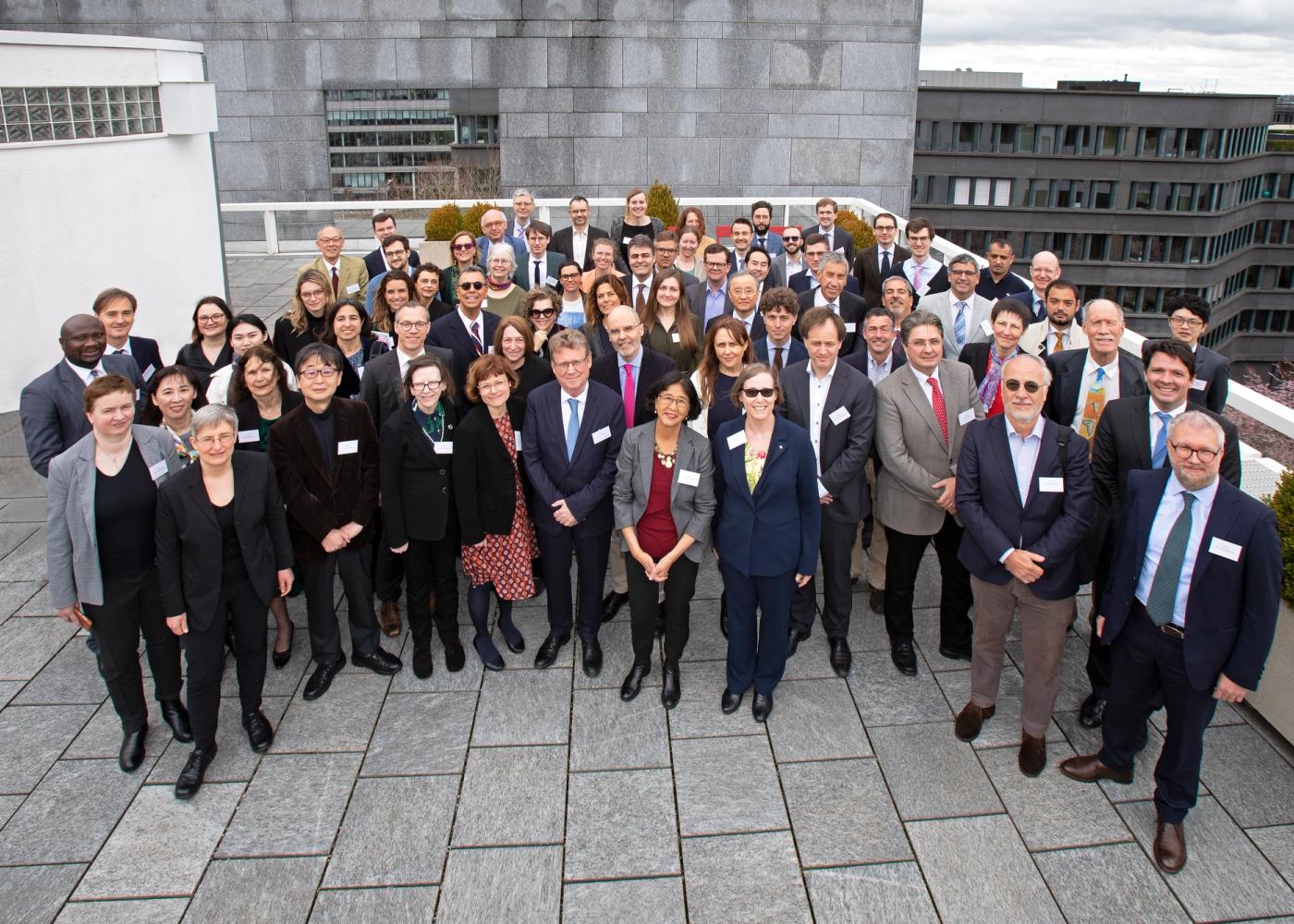
We are delighted to invite you to the Comparative Procedural Law and Justice (CPLJ) Final Conference at the University of Luxembourg on 11 and 12 July 2024. This conference will present the results of the 4-year CPLJ project with over 100 collaborators. The rich two-day program encompasses numerous presentations by distinguished speakers who are contributors to the project, always followed by a discussion. The speakers will present highlights of their teams’ comparative procedural law research in their respective fields.
You can find the program here.

The CPLJ Website is officially launched.